Uncovering the Benefits of Using Bulk Freight Transport for Your Transportation Requirements
Moving goods in bulk offers a strategic choice for companies looking to make their logistics more efficient. By consolidating shipments, organizations can obtain substantial reductions in cost and lower their impact on the environment. Furthermore, this approach provides improved reliability and adaptability in delivery schedules - Illinois top rated Bulk Trucking. Since the environment of transport operations develop, knowing the details of bulk trucking is vital for staying competitive. What further benefits might this approach reveal for modern businesses?
Achieving Cost Reduction Via Economies of Scale
Despite many firms are dealing with increasing shipping expenses, this method delivers major reductions in cost through economies of scale. By consolidating shipments, businesses are able to lower the cost to transport each item, as more substantial loads permit optimized resource deployment such as workers and gasoline. Such efficiency results in decreased operational spending, thereby positioning bulk haulage as a compelling choice for companies seeking to streamline their supply chain.
Furthermore, bulk trucking minimizes the number of necessary journeys, which results in additional cost reduction associated with upkeep of trucks and staff salaries. Companies can negotiate better rates with haulers when promising greater quantities, helping them realize decreased transport costs. Consequently, companies are able to direct their financial gains towards other operational areas, improving their market position. In the end, the financial benefits of bulk transport establish it as a key strategy for businesses striving for better financial results while keeping logistics running smoothly.
Decreased Impact on the Environment
This method plays a major role in a reduced environmental impact, making it an eco-friendly choice for transportation. By consolidating shipments, bulk trucking minimizes the amount of journeys needed to deliver goods, which thereby reduces energy use and carbon output. This efficient method of moving substantial volumes of goods means less trucks are needed for transport, lessening traffic jams and strain on public works.
Moreover, numerous bulk transport providers are adopting more sustainable practices, such as deploying energy-saving fleets and optimizing routing to lower their emissions substantially. Implementing sophisticated tools in transport management further assists with checking carbon output and enhancing overall efficiency. Given that corporations are emphasizing sustainability more, choosing bulk transport not only supports eco-friendly initiatives and aligns with their corporate responsibility aims. In this way, bulk transport acts as an effective answer for firms aiming to minimize their environmental damage and still completing their logistical requirements.
Faster Shipping and Greater Reliability

When businesses opt for bulk transport for their shipping requirements, they often experience improved delivery times and improved consistency. This shipping method is built to effectively manage high volumes of products, minimizing the required trips. By grouping deliveries, firms can lessen delays linked to pickup and drop-off, resulting in quicker delivery speeds.
Furthermore, bulk hauling generally makes fewer pauses, which makes the delivery process more efficient. Numerous bulk haulers employ cutting-edge tracking and logistics tools, providing real-time updates that increases visibility and oversight. Having this visibility enables companies to plan efficiently, ensuring that products arrive on schedule.
Moreover, the reliability of bulk trucking is bolstered by experienced drivers and regularly maintained equipment, lessening the possibility of malfunctions or delays. Consequently, firms can trust bulk hauling services to reliably hit their transit targets, ultimately improving customer satisfaction and strengthening commercial ties.
Enhanced Load Capacity and Flexibility
Although many shipping methods restrict cargo volume, bulk shipping delivers increased cargo capacity that allows companies to transport substantial quantities of goods in one trip. This capacity proves highly useful for industries that must transport massive volumes, like construction, agriculture, and mining. With specialized vehicles designed for bulk materials, firms can improve their delivery methods, reducing the number of trips needed to deliver goods.
Furthermore, bulk hauling allows adaptability in cargo setup, handling different kinds of materials, such as powders, grains, and liquids. This adaptability enables businesses to respond to fluctuating demands and efficiently manage their supply chain without sacrificing volume. By utilizing the greater volume and adaptability of bulk transport, firms can simplify their workflows, lower transport expenditures and secure a more consistent delivery method. Ultimately, this option presents a practical solution for firms aiming to maximize delivery efficiency and satisfy client demands.
Efficient Supply Chain Operation

Better supply chain management is more attainable with the incorporation of mass hauling into transport processes. By consolidating shipments, businesses can lower shipping expenses and enhance timeliness. Bulk trucking allows for the shipping of larger quantities of goods in reduced travel, minimizing the complexity associated with multiple shipments. This streamlining allows for better inventory management, as companies can get and send out goods more rapidly.
Moreover, bulk trucking enhances communication and collaboration among supply chain partners. With fewer carriers involved, monitoring deliveries is easier, leading to improved visibility and quicker response times to emerging difficulties. The dependability of bulk trucking also guarantees that goods arrive at their destinations in prime condition, decreasing the chance of delays or damages. Taken together, integrating bulk trucking into supply chain strategies creates a more unified and effective operational structure, helping companies and the consumers as well.
Questions and Answers
What Types of Goods Are Best Suited for Bulk Trucking?
Mass transport is perfect for transporting large quantities of goods such as farm produce, discover this raw materials, chemicals, and food items. These goods benefit from streamlined, affordable transport options, minimizing manipulation and decreasing transit expenses.
How Do I Find a Dependable Transport Company?
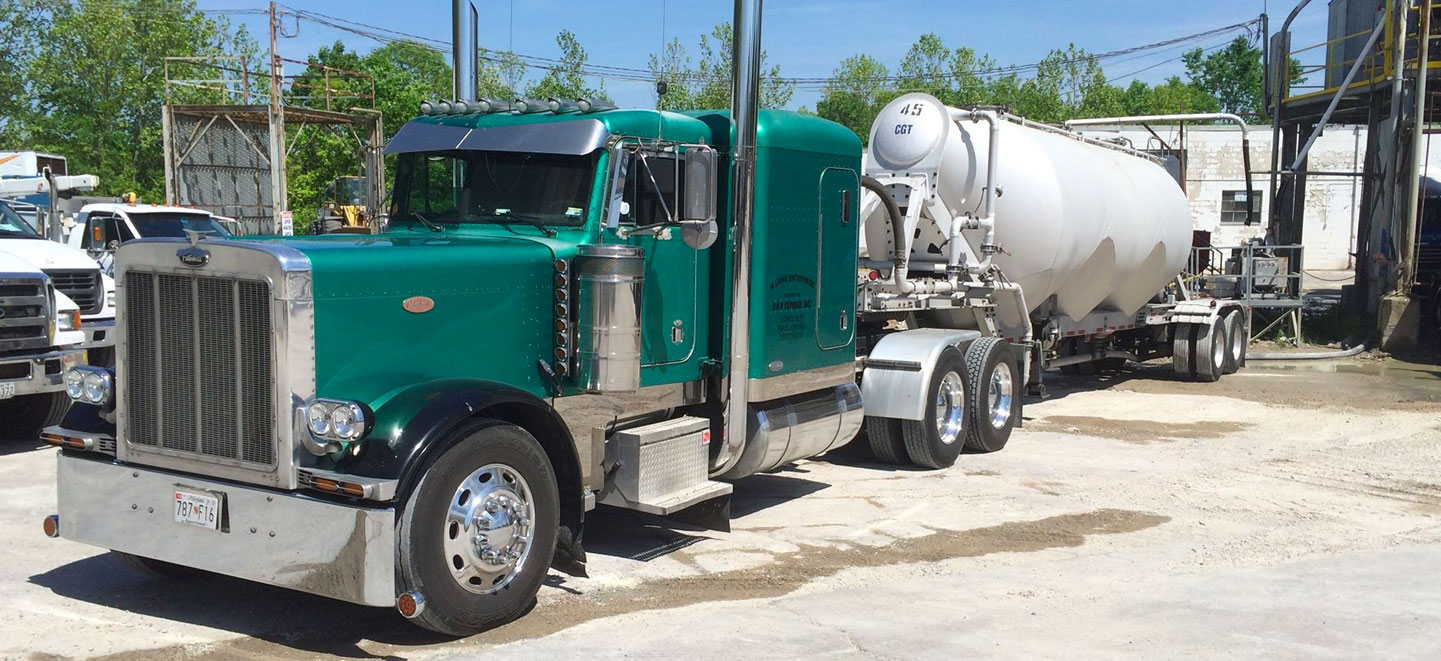
To find a trustworthy logistics firm, one should look up customer testimonials, solicit advice from other businesses, check necessary permits, and compare quotes - Illinois top rated Bulk Trucking. Additionally, checking the hauler's background and fleet capability is crucial to making a sound choice
What Is the Average Transit Time for Bulk Shipments?
The typical delivery period for bulk shipments is generally around 24 to 72 hours, depending on distance, route conditions, and the type of cargo. Variability in these factors can greatly impact delivery timelines.
Are There Weight Restrictions for Bulk Trucking Loads?
Absolutely, bulk trucking loads typically have weight restrictions, which differ by region and equipment used. Illinois top rated Bulk Trucking. Statutes ensure security and regulatory conformity, typically restricting loads to approximately 80K pounds for conventional transport on interstates
Is Bulk Transport Manage Temperature-Controlled Freight?
Yes, bulk trucking is able to handle perishable freight through the use of dedicated machinery, including refrigerated trailers. This feature guarantees that temperature-dependent items keep their necessary climate throughout the journey, safeguarding their condition and quality.