A Guide to Bulk Trucking: Essential Services for Optimized Freight Transport
Bulk trucking serves as a vital element in the logistics of transporting massive quantities of freight. It encompasses various industries, making sure that goods are moved promptly and economically. By using dedicated trucks, this service reduces the hazards associated with handling and enhances delivery speed. Yet, the domain of bulk trucking is undergoing transformation. Knowing its intricacies can offer perspective on its increasing importance in contemporary distribution systems. Which elements lead to its efficiency?
Bulk Trucking Explained?
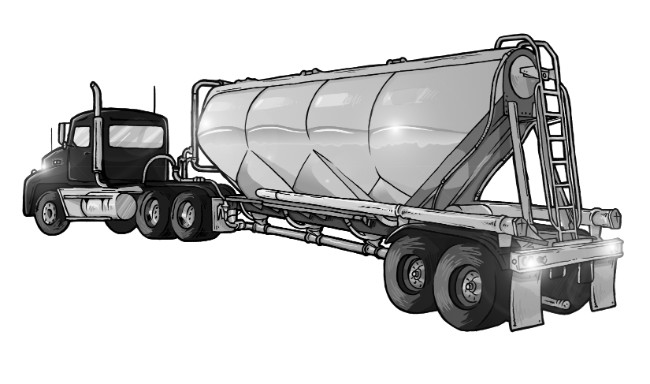
Bulk hauling means the movement of substantial volumes of goods, most often as liquids or dry materials, with the aid of specific transporters. This method is essential for businesses requiring the movement of significant cargo, such as agriculture, chemicals, and construction. Specialized bulk vehicles, such as tankers for fluids and dry material hopper trucks, are designed to efficiently manage and haul these bulk materials.
The logistics of bulk trucking demand precise preparation and coordination, making certain the appropriate truck is used for specific materials to avoid spoilage and harm. Moreover, standards controlling bulk hauling require adherence to safety standards, specifically regarding risky substances.
Bulk trucking plays a significant role in the supply chain, enabling the prompt transfer of necessary supplies as it minimizes spending related to transport. By utilizing this approach, businesses can streamline their operations, securing an uninterrupted movement of materials needed for output and additional operations.
Key Benefits of Bulk Trucking
Although various transport options are available, bulk trucking delivers specific upsides that can substantially boost operational performance for multiple businesses. A major advantage is its economy; bulk trucking frequently decreases individual shipping expenses thanks to the power to haul large volumes simultaneously. This efficiency translates into lower overall transportation expenses, rendering it a desirable choice for businesses.
Moreover, bulk hauling delivers versatility in planning and navigation, enabling firms to adjust rapidly to evolving needs. The capacity to transport diverse cargo types, ranging from raw materials to finished products, significantly increases its attractiveness.
In addition, bulk trucking can accelerate transit times, as streamlined operations and direct routes cut down on travel time. Improved load management also means less manual handling, lowering the risk of harm during transport. In summary, these key benefits position bulk trucking as an indispensable logistics solution for industries demanding reliability and efficiency in their supply chains.
Categories of Bulk Cargo Moved
Multiple sectors depend on bulk trucking to carry many different types of cargo. One of the most common categories includes agricultural products, like grains, fertilizers, and animal feed. These goods are typically transported in large quantities, meaning specialized bulk trucks are needed designed for quick and easy loading and unloading.
Furthermore, construction materials such as sand, gravel, and cement are often transported using bulk trucking services. This cargo is vital for various construction projects and need prompt delivery to keep projects on schedule.
Chemical products, like both liquid read the full story and dry chemicals, also constitute a significant portion of bulk cargo. These chemicals necessitate prudent handling and compliance with safety regulations in transit.
Moreover, food products, like sugar and flour, are transported in bulk to fulfill manufacturing and distribution requirements. Taken together, the range of bulk cargo showcases the versatility and importance of bulk trucking in aiding diverse economic sectors.
The Role of Technology in Bulk Trucking
How has technology revolutionized the landscape of bulk trucking? Incorporating advanced technologies has greatly enhanced operational efficiency and safety within the bulk trucking industry. GPS tracking allows for real-time monitoring of cargo and vehicle locations, leading to timely deliveries and improved route planning. Additionally, telematics has emerged as an essential tool, offering key data regarding vehicle performance, fuel consumption, and driver behavior, ultimately leading to cost savings and reduced environmental impact
(Illinois top rated Bulk Trucking)Moreover, automated systems for inventory management optimize loading and unloading processes, reducing delays and increasing productivity. Modern communication systems also hold a key position, connecting drivers, fleet supervisors, and customers seamlessly. This integration encourages clarity and improves client support by giving reliable status reports on shipment status. As the industry continues to evolve, these tech innovations will continue to transform bulk hauling, fostering new ideas and raising the standard of service in a competitive market
How to Pick the Best Bulk Transport Company
Selecting the appropriate bulk trucking service is crucial for firms that want to enhance their operational efficiency. Firms ought to commence by evaluating their specific cargo requirements, such as the kind of goods being hauled and the quantity. Checking the copyright's history in dealing with like deliveries offers valuable perspective on their competence.
In addition, companies must examine the service's operational reach, ensuring that the trucking company is able to effectively serve the required locations. Another important factor involves the company's safety performance and following of regulatory standards, that heavily affects the dependability of the service.
Pricing is also an important factor; however, firms need to measure the price against service quality to avoid compromising on important factors. In conclusion, customer service and communication practices play a vital role in preserving openness during the entire delivery operation. By carefully analyzing these aspects, businesses are able to choose a bulk transport provider which fits their functional demands and goals.
Frequently Asked Questions
What Are the Typical Costs For Bulk Transport Services?
Typical costs associated with bulk trucking services comprise the cost of fuel, pay for drivers, upkeep charges, coverage, and tolls. Furthermore, pricing can fluctuate according to the length of the journey, cargo type, and the current demand in the market, affecting the total cost models.
What is the Best Way to Ready My Freight for Bulk Transport?

In order to prepare freight for bulk hauling, verify suitable containment, confirm the load is stable, verify weight limits, and mark the items distinctly. Furthermore, check for any wear and tear and comply with safety standards to allow for smooth transit and drop-off.
What Safety Regulations Apply for Bulk Haulage?
Safety regulations for bulk trucking require observing weight restrictions, proper securing of cargo, adherence to dangerous goods regulations, routine truck maintenance checks, and driver training requirements to facilitate safe transit and minimize accident risks. - Illinois top rated Bulk Trucking
- Illinois top rated Bulk Trucking
How Do Bulk Trucking Companies Handle Delays?
Bulk trucking companies manage delays by providing upfront client communication, revising delivery schedules, and changing routes when necessary. They also employ technological tools to keep tabs on loads, guaranteeing current status reports and lessening disturbances in the logistics network.
Can Bulk Trucking Accommodate International Shipping?
Bulk trucking is capable of handling international shipments by partnering with logistics providers and using purpose-built vehicles. These companies verify conformity with foreign laws, allowing for easy transit across borders for various bulk commodities while upholding security and effectiveness.