How Bulk Trucking Improves Supply Chain Solutions For Multiple Industries
Bulk trucking is essential in modern supply chains, affecting numerous sectors through enhanced performance while lowering expenses. Its capacity to ship high volumes of material over extended ranges helps organizations to react quickly to changing market needs. This capability brings up considerations regarding efficient logistics and ecological responsibility. Analyzing the wide-ranging upsides and difficulties of bulk trucking could transform how organizations approach their operational strategies. What knowledge can we gain as we explore this crucial element?
Why Bulk Trucking Matters in Today's Supply Chains
While many facets of logistics operations are essential, heavy-duty hauling is recognized as a key element for guaranteeing effectiveness and cost-effectiveness. This transport method allows companies to move large quantities of goods over extended routes, markedly decreasing the amount of hauls compared to smaller shipments. The optimized structure of this transport method minimizes handling and transport duration, a point essential for maintaining inventory levels and satisfying consumer needs rapidly.
In addition, heavy hauling assists a range of industries, such as farming, production, and commerce, by offering a dependable method of transporting raw materials and final merchandise. Its flexibility in accepting various types of freight encourages agility within supply chains, allowing companies to adapt to fluctuating market conditions. As consumers increasingly expect speedy shipment, the tactical deployment of bulk trucking turns into a crucial determinant in enhancing overall supply chain performance, ultimately contributing to a competitive advantage in the commercial arena.
Maximizing Cost Efficiency: How Bulk Trucking Reduces Transportation Expenses
Bulk trucking greatly lowers shipping costs, making it a desirable alternative for companies seeking to improve their transport processes. By maximizing load capacity, bulk hauling permits organizations to transport larger quantities of goods with fewer journeys, markedly reducing energy expenses and labor expenditures. This cost-saving is highly advantageous for businesses managing weighty goods, like building or farming, where standard shipping techniques might be less economical.
Furthermore, bulk transport typically involves in fewer handling and loading processes, lessening the possibility of breakage and delays associated with multiple shipments. The cost advantages gained through bulk transport may further cause better pricing from haulage companies, further enhancing cost savings. Therefore, organizations can distribute capital better, allowing for reinvestment in other areas of their operations. Generally speaking, the economic benefit of bulk trucking acts as a key factor in creating a competitive supply chain strategy.
Boosting Operational Flexibility Using Bulk Trucking Solutions
Bulk trucking solutions are crucial in enhancing operational flexibility in supply chains. By allowing companies to rapidly respond to demand changes, these solutions make more efficient transportation processes and increase overall efficiency. This adaptability not only meets customer needs but also optimizes resource allocation and lowers lead times.
Adapting to Demand Changes
In today’s dynamic market, businesses are increasingly aware of the importance of operational flexibility to adapt to shifting demand patterns. Bulk trucking plays a significant role in this adaptability, providing companies with the capability to adjust the size of their transportation solutions rapidly. Through the use of bulk trucking, organizations can effectively handle inventory levels and react to fluctuations in demand without incurring excessive costs. This flexibility makes possible the transportation of large quantities of goods quickly, reducing lead times and improving customer satisfaction. Furthermore, bulk trucking solutions can easily accommodate changes in production schedules or unexpected market shifts, guaranteeing that businesses keep a competitive edge. Therefore, adapting to demand changes through bulk trucking is vital to optimizing supply chain efficiency.
Efficient Transportation Processes
Operational flexibility is further improved through more efficient transportation processes that leverage bulk trucking solutions. These solutions allow companies to optimize their supply chain by cutting down on transit times and enhancing load management. By utilizing bulk trucking, businesses can group together shipments, cutting down the number of trips required and consequently reducing transportation costs. Advanced tracking technologies provide real-time visibility, making possible better planning and faster response times to unexpected disruptions. In addition, the adaptability of bulk trucking allows for easy adjustments to logistics strategies, handling fluctuating demand. Therefore, industries benefit from increased efficiency, reduced operational delays, and greater overall competitiveness. Efficient transportation processes, consequently, play an essential role in optimizing the advantages available through bulk trucking in supply chain management.
Sustainability Benefits of Bulk Trucking in Supply Chain Management
Bulk trucking offers significant ecological benefits within supply chain management. By grouping deliveries, it causes lower carbon output and supports optimized fuel economy. These positive effects not only contribute to green initiatives but also boost the general performance of logistics operations.
Reduced Carbon Emissions
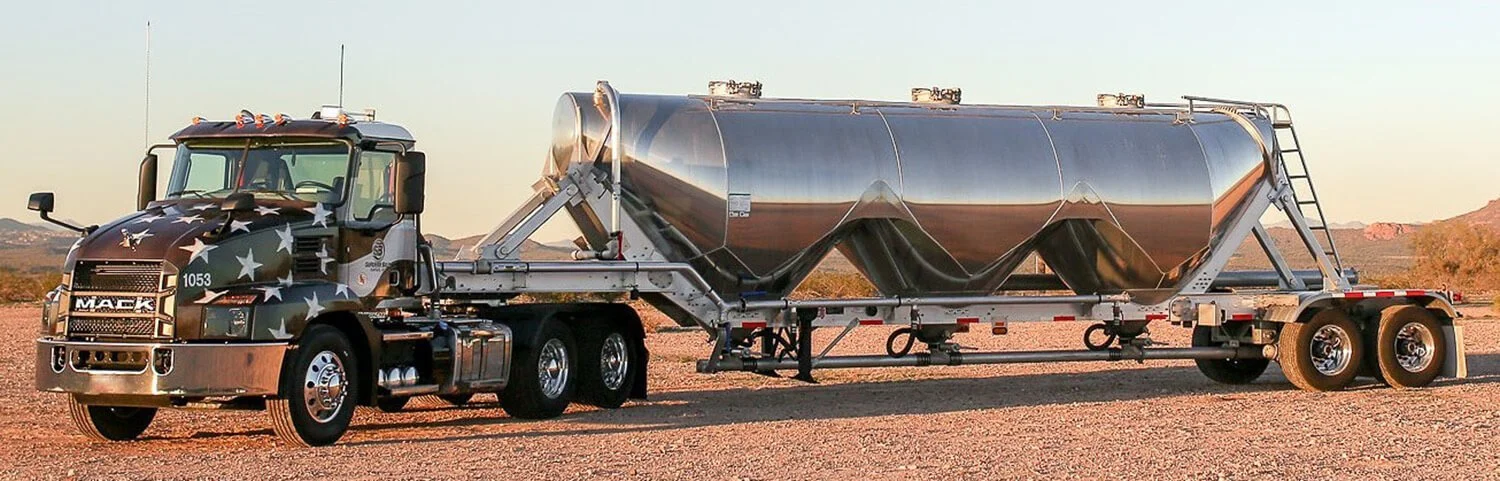
Lowering the carbon footprint is a major upside of implementing high-capacity hauling in SCM. By transporting larger quantities of goods with fewer journeys, consolidated transport significantly decreases the amount of trucks required. This streamlining not only minimizes traffic congestion but also leads to lower overall emissions. In addition, high-capacity hauling facilitates more efficient journeys, further lowering the environmental cost linked to supply chain processes. Fewer journeys helps lower fuel use, leading to a reduction in harmful air pollutants. Since businesses are emphasizing ecological responsibility, the environmental benefits of bulk trucking are consistent with sustainability targets, making businesses green leaders within their respective markets. Adopting high-capacity transport represents a meaningful step in addressing environmental challenges.
Maximized Fuel Economy
Improving fuel economy is a primary advantage of consolidated transport within supply chain management. High-capacity transport cuts down on necessary journeys to haul substantial cargo, resulting in considerable energy reduction. By consolidating shipments, companies minimize the overall fuel consumption for each item moved. This effectiveness helps decrease business expenditures but also contributes to environmental sustainability. With a reduced truck fleet, negative outputs drop, improving the green credentials of bulk trucking. Moreover, improvements in engine design and streamlined travel paths used in consolidated transport continue to boost fuel economy, establishing its importance as an vital element for businesses aiming to bolster their supply chain while acting sustainably.
Case Studies: Success Stories of Consolidated Transport Throughout Multiple Markets
Although numerous sectors depend on effective logistics, bulk trucking is a crucial ingredient for achieving success in fields from farming to building. Within the farming industry, a major grain supplier used bulk trucking to simplify the movement of gathered crops, cutting delivery times by 30% and markedly bringing down transportation expenditures. At the same time, in the construction industry, a major contractor adopted bulk trucking to haul aggregates, which improved project timelines and reduced hold-ups caused by material scarcity. A well-known beverage company also utilized bulk trucking to transport its primary materials, allowing for just-in-time delivery that improved manufacturing efficiency. These case studies illustrate how bulk trucking not only perfects logistics but fosters collaboration and responsiveness in the supply chain network (Illinois top rated Bulk Trucking). By catering to the distinct demands of each field, bulk trucking proves to be an invaluable asset, leading to operational achievement and market advantage across multiple sectors
Overcoming Challenges in Bulk Trucking Logistics
Since the need for bulk trucking services keeps increasing, many obstacles emerge that logistics businesses must competently overcome. One primary challenge is the fluctuation of regulatory requirements between diverse regions, which tends to complicate adherence and cause interruptions. In addition, variations in gas prices have an effect on running expenses, necessitating strategic planning and budgeting.
A third challenge is verifying the integrity and protection of bulk materials during transit, which requires specialized equipment and trained personnel. Firms must also deal with scheduling and route streamlining to shorten transportation periods while increasing productivity.
What's more, insufficient drivers intensify these challenges, professional tips making it critical for logistics firms to allocate resources to training and retention plans. By resolving these hurdles via innovation, technology, and efficient management strategies, organizations can better their bulk trucking systems and ensure a smooth supply chain experience for their customers.
Future Trends: The Evolving Role of Bulk Trucking in Supply Chains
While the logistics field is evolving rapidly, bulk trucking stays a crucial part, adapting to meet the evolving demands of industries. Bulk trucking's future is defined by tech improvements, including robotics and real-time monitoring, boosting effectiveness and clarity. This change enables better route planning and decreased transit times, leading to a more durable logistics network.
Sustainability is increasingly a primary concern, with businesses actively searching for green shipping alternatives. Electric and non-traditional fuel trucks are foreseen to play a key part, decreasing the emissions related to bulk hauling.
Furthermore, data analysis capabilities enables companies to foresee market fluctuations and adapt their logistics plans as needed. Since industries are constantly diversifying and globalizing, this sector is anticipated to become a more flexible, responsive service, cementing its role as a foundation of modern supply chain solutions.
FAQs
What Goods Are Usually Hauled With Bulk Carriers?
Goods often shipped via bulk trucking include agricultural goods like grains and fertilizers, materials for industry like chemicals and plastics, and food items including liquids and powders (Illinois top rated Bulk Trucking). Such products call for effective, high-volume shipping methods
In What Way Does Bulk Trucking Influence Shipping Times for Businesses?
Bulk hauling significantly shortens delivery schedules for companies by consolidating large quantities of goods, finding the best routes, and guaranteeing swift loading and unloading procedures, ultimately streamlining operations and increasing general effectiveness in logistics across industries.
What Safety Regulations Govern Bulk Trucking Operations?
The safety rules controlling bulk hauling encompass the standards set by the FMCSA, truck upkeep requirements, protocols for shipping hazardous materials, driver training requirements, and specified cargo weight restrictions, promoting secure hauling procedures and minimizing risks on the road.
How Can Companies Choose the Right Bulk Trucking Partner?
Companies can choose the right bulk trucking partner by evaluating their experience, safety performance, reliability of their operations, rate arrangements, and testimonials from customers. Establishing clear communication and grasping the unique requirements of their logistics is critical.
What Kind of Tech Is Employed in Bulk Transportation Logistics?
A range of technologies, such as GPS monitoring, onboard diagnostic tools, route optimization software, and supply tracking systems, are employed in managing bulk hauling logistics to improve performance, monitor vehicle performance, and facilitate better communication among parties for improved operations.