Uncovering the Advantages of Selecting Bulk Haulage for Your Transportation Requirements
Moving goods in bulk presents a strategic option for companies looking to improve their supply chain. When combining loads, organizations can obtain significant cost savings and reduce their environmental footprint. Additionally, this approach provides improved reliability and flexibility in shipping arrangements - Illinois top rated Bulk Trucking. Since the environment of supply chain management evolves, grasping the specifics of bulk freight transport is necessary for maintaining a competitive edge. What other advantages might this approach reveal for current enterprises?
Cost Savings Through Economies of Scale
While numerous companies face rising transportation costs, this method delivers major reductions in cost through economies of scale. When combining loads, businesses are able to lower the individual item shipping expense, as more substantial loads permit optimized resource deployment such as workers and gasoline. This efficiency translates to reduced total costs, which makes bulk transport a compelling choice for firms aiming to improve their transport operations.
Moreover, bulk transport reduces the frequency of trips required, which helps lower expenses even more associated with vehicle maintenance and driver wages. Firms may obtain more favorable fees with haulers when agreeing to bigger loads, enabling them to benefit from lower delivery charges. Therefore, companies are able to direct their financial gains towards other functions, enhancing their competitive edge. Ultimately, bulk haulage's cost benefits establish it as a key strategy for businesses striving for better financial results while ensuring effective transport management.
Lowering the Ecological Footprint
This method plays a major role in a lower ecological footprint, establishing it as a sustainable solution for shipping. By consolidating shipments, bulk transport reduces the amount of journeys needed to transport products, which in turn decreases fuel consumption and greenhouse gas emissions. This efficient method of transporting large quantities of materials allows for fewer vehicles on the road, easing road blockage and damage to roads.
Furthermore, numerous bulk transport providers are moving toward environmentally friendly operations, such as using trucks that save gas and improving travel paths to lower their emissions substantially. Employing modern technology in logistics further assists with checking carbon output and improving total effectiveness. As businesses increasingly prioritize sustainability, using bulk shipping helps environmental initiatives and aligns with their corporate responsibility aims. In this way, bulk transport acts as an effective answer for companies seeking to lessen their environmental impact and still satisfying their delivery demands.
Improved Delivery Times and Reliability
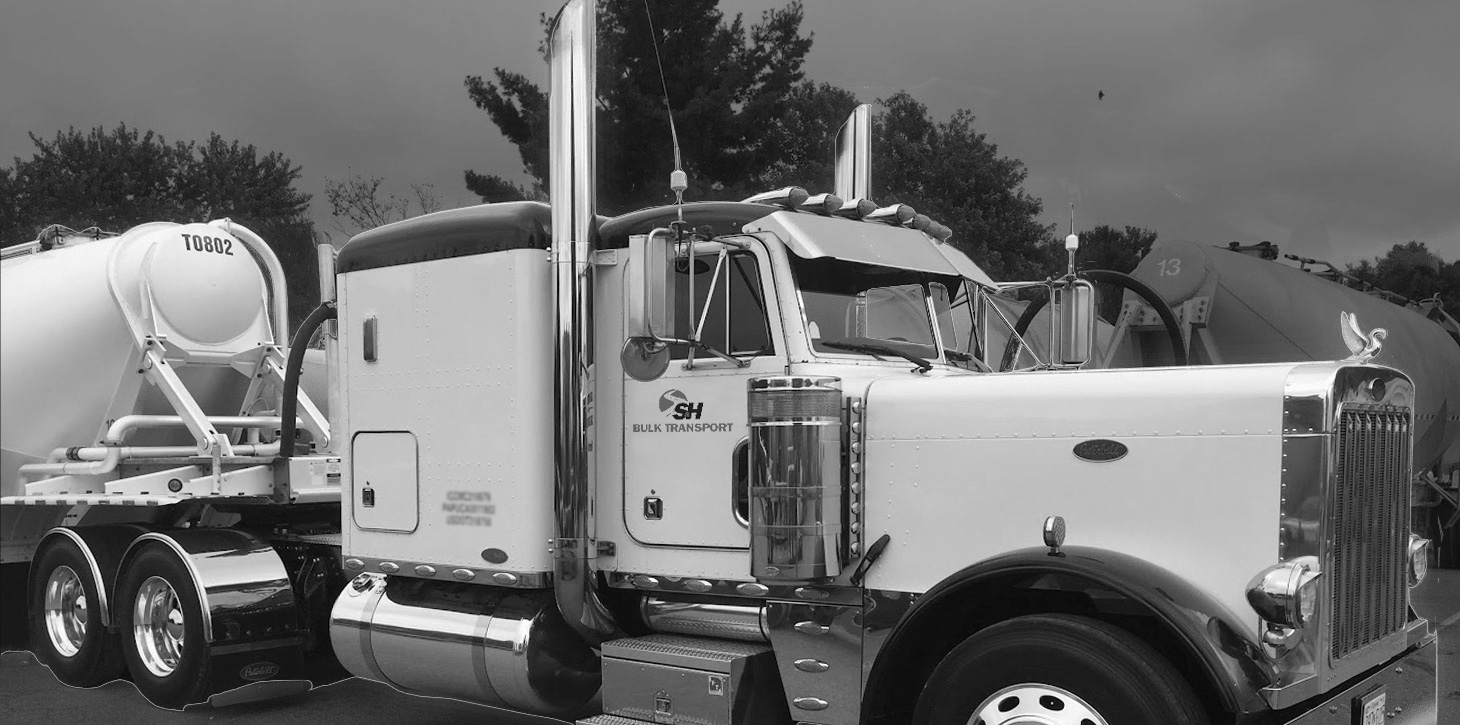
If firms select bulk hauling for moving their goods, they usually benefit from better transit times and improved consistency. This mode of transportation is designed to efficiently handle large quantities of goods, reducing the number of trips required. By consolidating shipments, companies can minimize delays associated with loading and unloading, leading to faster transit times.
What's more, bulk transport usually requires fewer halts, which simplifies the shipping operation. A lot of bulk transport firms use modern logistics and tracking systems, providing real-time updates that increases visibility and oversight. This level of visibility helps businesses plan more effectively, ensuring that products arrive on schedule.
Moreover, bulk transport's dependability is strengthened by seasoned operators and regularly maintained equipment, reducing the risk of breakdowns or delays. As a result, firms can trust bulk hauling services to meet their shipping deadlines consistently, ultimately improving customer satisfaction and solidifying business connections.
Greater Cargo Capacity and Versatility
While many transportation options have limitations on load size, bulk transport provides greater hauling volume enabling businesses to move large amounts of products in a single haul. This feature is especially advantageous for industries that must transport massive volumes, like construction, agriculture, and mining. Employing vehicles tailored for bulk cargo, firms can improve their delivery methods, cutting down the journeys required to ship products.
Moreover, bulk trucking provides flexibility in load configuration, handling different kinds of materials, including liquids, grains, and powders. This versatility allows companies to adapt to changing demands and efficiently manage their supply chain without losing hauling power. By utilizing the greater volume and adaptability of bulk transport, companies can optimize their processes, reduce shipping expenses and ensure a more dependable shipping procedure. Ultimately, this option presents a practical solution for companies seeking to maximize shipping efficiency and satisfy client demands.
Optimized Logistics Network Control

Efficient logistics coordination is easier to achieve with the addition of large-scale transport into logistics operations. By combining loads, businesses can cut down on transit expenditure and improve delivery times. Large-scale transport enables the transfer of larger quantities of goods in fewer trips, minimizing the complexity associated with multiple shipments. This streamlining makes possible better inventory management, as companies can receive and distribute products much faster.
Moreover, bulk trucking enhances communication and coordination among SCM stakeholders. With fewer carriers go to article involved, tracking shipments becomes simpler, leading to improved visibility and more rapid responses to potential problems. The reliability of bulk trucking also makes certain that goods arrive at their destinations in optimal state, reducing the likelihood of damage or hold-ups. Overall, incorporating mass transport into SCM frameworks creates a more unified and efficient logistics framework, helping companies and the consumers as well.
FAQs
Which Products Are Ideal for Large-Scale Hauling?
Mass transport is perfect for moving significant amounts of product such as crops, raw materials, industrial compounds, and perishable goods. These goods profit from efficient, cost-effective shipping methods, cutting down on manual processing and lowering total shipping expenditure.
What Is the Process for Finding a Dependable Transport Company?

To find a reliable bulk trucking provider, one should look up customer testimonials, seek recommendations from industry peers, check necessary permits, and get multiple bids - Illinois top rated Bulk Trucking. Furthermore, checking the hauler's background and fleet capability is crucial to selecting wisely
What is the Typical Delivery Period for Bulk Shipments?
The average transit time for bulk shipments typically ranges from 24 to 72 hours, based on the mileage, traffic situations, and the type of cargo. Fluctuations in these conditions can greatly impact delivery timelines.
Do Weight Limits Apply for Bulk Trucking Loads?
Yes, bulk trucking loads are usually subject to weight limits, which differ by region and vehicle type. Illinois top rated Bulk Trucking. Regulations guarantee safety and compliance, typically restricting loads to approximately 80K pounds for conventional transport on major roads
Is Bulk Transport Manage Temperature-Sensitive Shipments?
Yes, bulk trucking is able to handle goods requiring climate control by utilizing specific gear, including reefer units. This capability ensures that sensitive products preserve their specified temperature range during transit, preserving their condition and quality.