How Bulk Trucking Enhances Logistics Operations In Various Sectors
Bulk trucking is fundamental for contemporary logistics, impacting various industries by improving efficiency while lowering expenses. This method's ability to transport large volumes of goods over long distances helps organizations to react quickly to changing market needs. This capability raises questions content concerning supply chain streamlining and ecological responsibility. Understanding the multifaceted benefits and challenges of heavy-duty transport could transform how companies handle their supply chain strategies. What discoveries will we make by delving into this critical aspect?
The Importance of Bulk Trucking for Contemporary Logistics
Although various components of logistics operations are essential, bulk transport emerges as an essential component for guaranteeing effectiveness and financial viability. Bulk hauling enables businesses to ship massive volumes of cargo over long distances, significantly lowering the necessary journeys compared to smaller shipments. The streamlined nature of bulk trucking decreases manual processing and shipping time, a factor vital for maintaining inventory levels and satisfying consumer needs rapidly.
Furthermore, bulk transport aids multiple sectors, including agriculture, manufacturing, and retail, by providing a reliable means of transporting raw materials and completed items. Its flexibility in accepting various types of freight fosters flexibility in logistics networks, allowing companies to respond to volatile market situations. As consumers increasingly expect rapid delivery, the planned application of heavy-duty transport becomes a pivotal factor in enhancing overall supply chain performance, which finally leads to a competitive advantage in the industry.
Cost Efficiency: How Bulk Trucking Reduces Transportation Expenses
Bulk trucking greatly lowers transportation expenses, positioning it as a compelling choice for businesses aiming to streamline their supply chain management. Through optimizing cargo volume, bulk trucking allows companies to transport larger quantities of goods using fewer hauls, substantially cutting energy expenses and labor expenditures. This cost-saving is highly advantageous for industries dealing with heavy materials, such as construction or agriculture, where standard shipping techniques might be less economical.
Furthermore, bulk transport typically involves in fewer handling and loading processes, lessening the possibility of breakage and postponements due to numerous consignments. The cost advantages gained by using bulk shipping often result in reduced rates from transport providers, additionally boosting expense reduction. Consequently, businesses can allocate financial resources more effectively, allowing for reinvestment in other areas of their operations. Overall, the economic benefit of bulk trucking functions as a vital element in building a competitive supply chain strategy.
Improving Operational Flexibility With Bulk Trucking Solutions

Bulk trucking solutions are vital in enhancing operational flexibility in supply chains. By allowing companies to quickly adjust to demand changes, these solutions make more efficient transportation processes and boost overall efficiency. This adaptability doesn't just satisfy customer needs but also makes the best use of resource allocation and lowers lead times.
Adapting to Demand Changes
In today’s dynamic market, businesses increasingly recognize the importance of operational flexibility to handle shifting demand patterns. Bulk trucking is instrumental in this adaptability, giving companies with the capability to scale their transportation solutions rapidly. By using bulk trucking, organizations can properly oversee inventory levels and respond to fluctuations in demand without incurring excessive costs. This flexibility allows for the transportation of large quantities of goods quickly, reducing lead times and improving customer satisfaction. Additionally, bulk trucking solutions can easily accommodate changes in production schedules or sudden market shifts, guaranteeing that businesses maintain a competitive edge. In summary, adapting to demand changes through bulk trucking is necessary for optimizing supply chain efficiency.
Efficient Transportation Processes
Operational flexibility is also boosted through optimized transportation processes that make use of bulk trucking solutions. These solutions enable businesses to optimize their supply chain by cutting down on transit times and improving load management. By utilizing bulk trucking, businesses can consolidate shipments, reducing the number of trips required and thus lowering transportation costs. Sophisticated monitoring tools allow for real-time visibility, making possible better planning and more rapid response times to unforeseen disruptions. In addition, the adaptability of bulk trucking facilitates easy adjustments to logistics strategies, handling fluctuating demand. Consequently, industries benefit from improved efficiency, fewer operational delays, and boosted overall competitiveness. Streamlined transportation processes, therefore, are vital in optimizing the advantages provided by bulk trucking in supply chain management.
Environmental Benefits of High-Capacity Transport in SCM
Consolidated hauling presents major ecological benefits within supply chain management. By grouping deliveries, this results in lower carbon output and supports optimized fuel economy. These advantages help advance ecological goals but also enhance the overall efficiency of supply chain activities.
Minimizing Greenhouse Gases
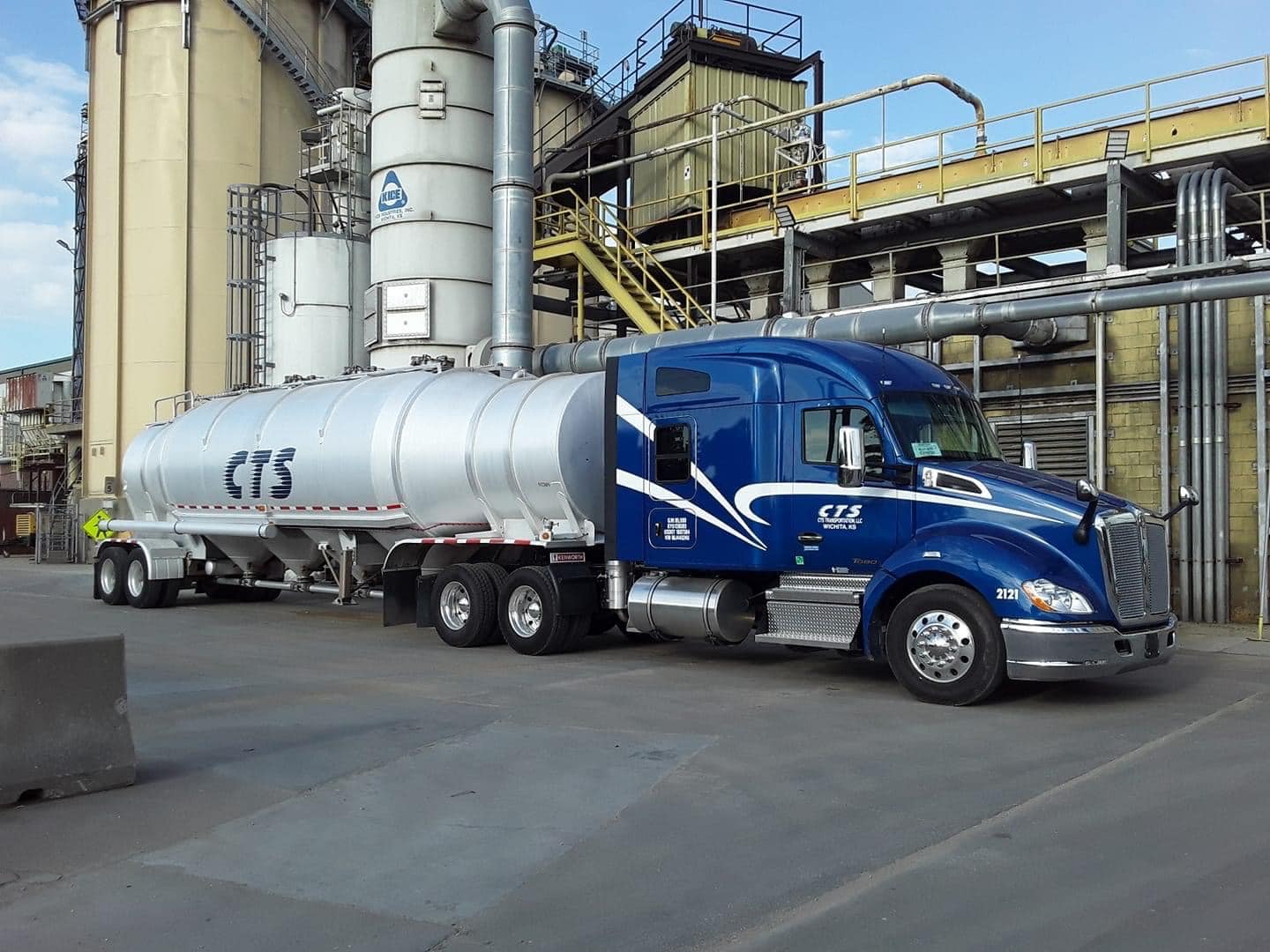
Reducing carbon emissions is a core benefit of using consolidated transport in SCM. By hauling more items in fewer trips, bulk trucking significantly decreases the amount of trucks required. This consolidation both lessens road blockage but also results in decreased total emissions. In addition, high-capacity hauling facilitates optimized travel paths, further lowering the environmental cost tied to transport activities. Fewer journeys results in decreased energy expenditure, resulting in a decrease in greenhouse gas emissions. As industries increasingly prioritize sustainability, the green advantages of consolidated hauling align with corporate social responsibility goals, making businesses green leaders in their specific sectors. Moving towards consolidated hauling constitutes an important action in addressing environmental challenges.
Maximized Fuel Economy
Boosting energy effectiveness is a primary advantage of high-capacity hauling in logistics operations. Consolidated hauling cuts down on necessary journeys to haul substantial cargo, causing substantial cost savings. Through grouping deliveries, firms lessen the total energy use relative to the cargo volume. This optimization not only lowers operational costs but also aids in green initiatives. As fewer trucks are needed on the road, harmful emissions decrease, improving the green credentials of bulk trucking. Furthermore, advancements in fuel technology and efficient route planning used in consolidated transport continue to boost fuel economy, establishing its importance as an key factor for companies looking to strengthen logistics while maintaining ecological accountability.
Case Studies: Success Stories of Bulk Trucking In Different Sectors
Although numerous sectors depend on effective logistics, bulk trucking stands out as a critical component for success in sectors ranging from agriculture to construction. In the agricultural sector, a major grain supplier used bulk trucking to simplify the movement of gathered crops, decreasing delivery periods by 30% and markedly bringing down transportation expenditures. Meanwhile, in the construction industry, a significant construction firm employed bulk trucking for moving aggregates, which bettered project completion times and minimized delays due to material shortages. A notable beverage manufacturer also turned to bulk trucking for their essential ingredients, enabling just-in-time delivery that enhanced production efficiency. These instances highlight how bulk trucking not only optimizes logistics but cultivates partnership and quick reaction throughout the supply chain (Illinois top rated Bulk Trucking). By meeting the specific requirements of every sector, bulk trucking is shown to be a crucial resource, leading to operational achievement and market advantage across multiple sectors
Overcoming Challenges in Bulk Trucking Logistics
Since the need for bulk trucking services keeps increasing, several difficulties surface that transport providers need to expertly handle. One primary challenge is the fluctuation of regulatory requirements between diverse regions, which can complicate compliance and result in hold-ups. Furthermore, volatility in fuel costs can affect operating expenditures, demanding strategic preparation and financial planning.
Another issue involves safeguarding the safety and soundness of bulk materials while in transit, which requires specialized equipment and skilled employees. Businesses also have to manage timetabling and route improvement to cut down on delivery times while boosting effectiveness.
What's more, insufficient drivers intensify these challenges, making it essential for logistics companies to invest in training and retention strategies. By tackling these issues using innovation, technology, and sound management methods, firms are able to improve their bulk trucking operations and provide an uninterrupted supply chain service for their clients.
Emerging Trends: The Transformation of Bulk Trucking's Role in Logistics
Although the landscape of supply chains is rapidly changing, bulk trucking continues to be a vital element, adapting to meet the evolving demands of industries. Bulk trucking's future is defined by tech improvements, including robotics and real-time monitoring, improving both efficiency and visibility. This development facilitates streamlined routes and quicker delivery periods, contributing to a more resilient supply chain.
Sustainability is increasingly a primary concern, as organizations increasingly pursue sustainable transportation choices. Electric and alternative fuel vehicles are anticipated to play a prominent role, lowering the environmental impact linked to bulk shipping.
Additionally, using data analytics enables companies to foresee market fluctuations and modify their bulk trucking strategies appropriately. With the ongoing diversification and globalization of industries, bulk transportation is projected to develop into a nimbler, more responsive offering, establishing itself as a critical element of contemporary logistics frameworks.
Questions and Answers
What Materials Are Often Shipped Using Bulk Trucking?
Commonly transported products using bulk trucking include agricultural commodities like grains and fertilizer, industrial materials such as chemicals and plastics, and edible goods such as liquids and powders (Illinois top rated Bulk Trucking). These items require effective, high-volume shipping methods
How Does Bulk Hauling Affect Time-to-Delivery for Businesses?
Bulk trucking considerably reduces delivery times for businesses by consolidating large quantities of goods, optimizing routes, and making sure loading and offloading are efficient, consequently making operations smoother and increasing general effectiveness in logistics across industries.
Which Regulatory Guidelines Apply to Bulk Hauling Activities?
The regulatory guidelines for bulk transportation involve FMCSA's rules and directives, vehicle servicing protocols, HAZMAT handling guidelines, driver training requirements, and maximum load restrictions, making certain transportation is safe and reducing hazards during transit.
How Should Businesses Pick the Ideal Bulk Trucking Provider?
Organizations should pick the ideal copyright by examining their background and history, track record of safety, consistency in delivery, fee schedules, and customer reviews. Ensuring transparent communication and knowing the exact demands of their supply network is vital.
What Kind of Tech Is Employed in Bulk Transportation Logistics?
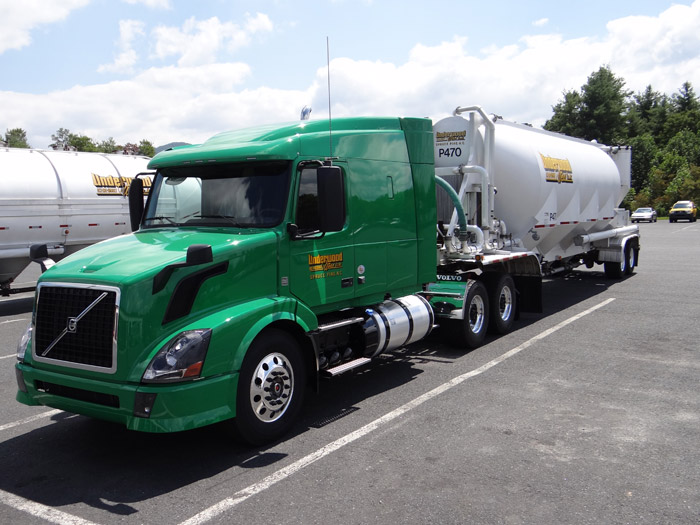
Different types of tech, including location tracking, onboard diagnostic tools, routing software for efficiency, and warehouse management tools, are used for bulk transportation management to improve performance, observe fleet performance, and streamline communication between shippers and carriers to optimize overall workflow.